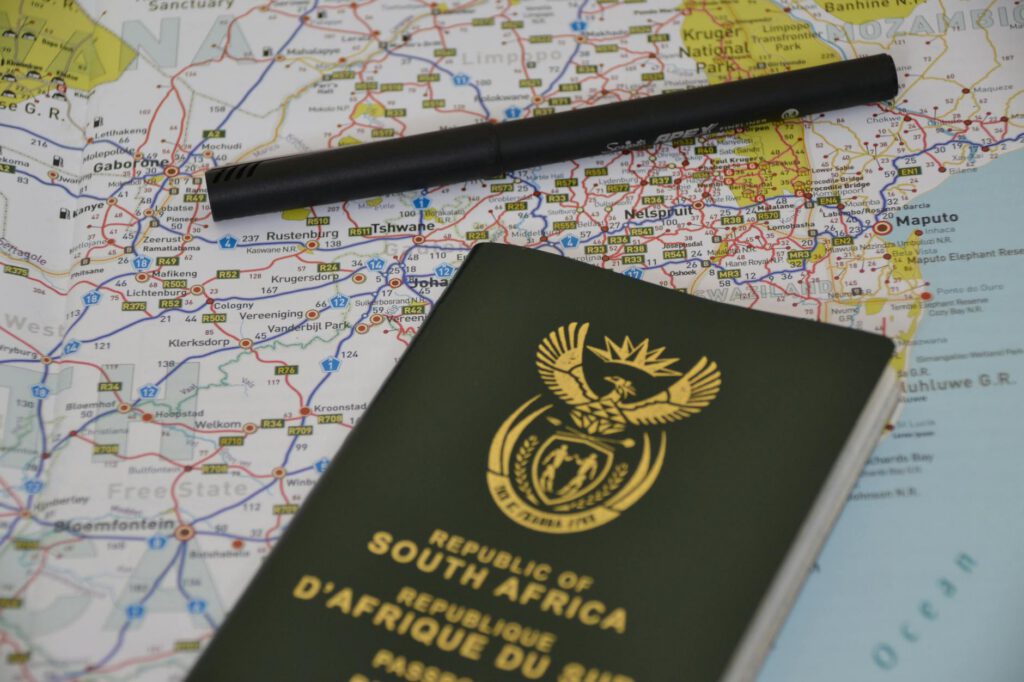
If you’re a US, UK, or EU citizen, you can already spend 90 days in South Africa without a visa. For most remote workers, that’s enough. If you’re staying longer, or you’re from a country that requires a visa, South Africa launched an official digital nomad visa in March 2025—but it comes with a surprise: a tax liability that catches people off guard.
This guide covers the visa itself, visa-free alternatives, and the tax trap that most nomads don’t see coming.
Do you actually need the digital nomad visa?
Probably not, unless you’re staying longer than 180 days.
If you hold a US, UK, or EU passport, you get 90 days visa-free. You can extend that for another 90 days through the tourist visa extension process—a total of 180 days without any visa application. Most nomads use this route because it’s free and simple.
If you need to stay longer than 180 days, or your passport requires a visa to enter South Africa, that’s when the digital nomad visa becomes relevant.
What is the South Africa digital nomad visa?
The visa is officially a Section 11(b) endorsement under South Africa’s Immigration Act. The Department of Home Affairs added it to the regulations in March 2024, but didn’t start processing applications until March 2025.
It allows you to live in South Africa for up to 12 months, renewable annually for a total stay of three years. The key catch: you must work for a foreign employer or be self-employed with foreign clients. You cannot take a job with a South African company or work for South African businesses.
Who qualifies
You need to meet five core requirements:
Minimum income: Gross annual income of at least ZAR 650,976 (approximately USD $36,000–$38,000, depending on the exchange rate). This income must be earned entirely from outside South Africa. You prove it with three months of recent bank statements.
Valid passport: Your passport must be valid for at least 30 days beyond your intended departure date, with at least two blank pages.
Employment or self-employment contract: You must have a signed contract with a foreign employer or documented evidence of self-employment with foreign clients. The contract must be in your name and with a foreign entity.
International health insurance: Proof of active medical cover that operates in South Africa.
Clean criminal background: A police clearance or criminal record check from the past three years.
Application process and timeline
You apply through a South African embassy or VFS Global visa application center in your country of residence. There’s no online application portal—you must apply in person or by mail through an official channel.
Required documents:
– Completed DHA-1738 application form
– Passport and two passport photos
– Proof of residence (utility bill or lease agreement)
– Bank statements showing your minimum income for the last three months
– Employment contract (signed by both you and your employer)
– Criminal record check (police clearance)
– Health insurance documentation
– Proof of accommodation in South Africa (booking confirmation or rental agreement)
– Flight bookings (departure date must be within 12 months of arrival)
Processing time: 4 to 8 weeks from submission, though some applications take up to 10 weeks.
Cost: Approximately ZAR 2,500 to ZAR 6,000 (roughly USD $150–$350). The base visa application fee is ZAR 425; the rest covers supporting documents like police clearances and document verification.
The tax residency trap: what you must know before you apply
Here’s what most people miss: “South Africa treats you as a tax resident after 183 days in any 12-month rolling period.”
Even if you’re on the digital nomad visa, there is no automatic tax exemption for foreign income.
Your tax obligation depends on two things:
Duration: Stay under 183 days in any 12-month period, and you may avoid tax residency (if you have a Double Taxation Agreement with South Africa). Stay 183 days or more, and you’re a tax resident.
Double Taxation Agreement (DTA): If your home country has a DTA with South Africa, staying under 183 days protects you from South African income tax. If your country has no DTA, you must register with SARS and pay tax regardless of how long you stay.
Countries with DTAs include the UK, Australia, Canada, Ireland, New Zealand, and others. Check South Africa’s DTA list on the SARS website to see if yours is included.
If you become a tax resident, you’ll owe tax on all income—even if it’s earned abroad and paid into a foreign bank account. You’ll need to file returns with SARS and may face fines or legal complications if you don’t comply. This is not optional, and many nomads have discovered this requirement too late.
Before you apply for the visa, consult an accountant or tax attorney in South Africa if you plan to stay more than 183 days.
Visa duration and renewal
The visa is initially issued for 12 months. You can renew it annually for a total stay of up to three years, provided you continue to meet all eligibility requirements. Each renewal requires the same income proof and documentation as the initial application.
How most nomads actually stay in South Africa
The digital nomad visa is new and formal, but most remote workers stay here the traditional way: arrive on a tourist visa or visa-free entry, then extend once.
For US, UK, EU citizens:
1. Arrive visa-free (90 days)
2. Apply for a 90-day extension from within South Africa (at least 60 days before expiry)
3. Total: 180 days, no visa application needed
This is free, straightforward, and the path most choose.
For citizens of countries requiring a visa:
The digital nomad visa is the cleaner option than multiple tourist visa runs, especially if you plan to stay 1–3 years.
What to do now
If you’re staying 180 days or fewer and hold a Western passport, use the tourist visa extension route. It’s cheaper, faster, and no tax trap.
If you’re staying longer than 180 days or need formal work authorization, apply for the digital nomad visa—but only after consulting with a South African tax professional about your specific situation.
If you’re unsure about your tax residency status, contact SARS or speak with an immigration lawyer. Rules change, and your circumstances may differ from what this guide covers.
For the latest official information, visit the South African Department of Home Affairs.
Tools we trust
Partners we use and recommend, tested in Cape Town.
We may earn a commission on purchases made through these links, at no extra cost to you. We only recommend products and services we actually use.