Sea Point is where most nomads end up, and most of them don’t regret it. The beachfront promenade, reliable internet, proximity to coworking hubs, and relatively straightforward community security all add up. But Sea Point at R29,500/month isn’t the only choice, and it might not be right for you.
Your neighbourhood determines your daily experience far more than your apartment size. It affects where you work, who you meet, whether you’ll actually use your balcony, and how much money stays in your account each month. This guide compares the main nomad neighbourhoods at the depth you actually need to choose — not a surface list, but a real assessment of rent, internet, safety, transport, and the specific trade-offs of each area.
Sea Point: The safe bet
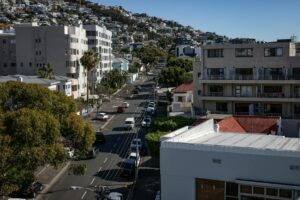
Sea Point works for most digital nomads because it solves three problems at once: it’s safe, it has dependable fibre, and it’s packed with people in your situation. You’ll find security patrols visible on the promenade, consistent police presence, and a 9/10 safety rating. The walkability is excellent — everything from coffee shops to restaurants to the gym is reachable on foot.
Furnished one-bedroom apartments run between R25,000 and R29,500 per month for a clean, secure unit. You’ll find Vumatel fibre widely available, with speeds typically between 10Mbps and 200Mbps depending on package. Latitude coworking sits on the 9th floor of the Latitude Hotel with views of Lion’s Head, a terrace, and pool.
The downside: Sea Point is expensive and crowded with other expats. If you’re seeking a quieter neighbourhood or have a tight budget, look elsewhere. The suburb also feels less “Cape Town” than other areas — you’re in a bubble, which some prefer and others resent.
Green Point: The walkable alternative
Green Point sits on the Atlantic Seaboard adjacent to the city centre, offering similar safety (9/10) and walkability to Sea Point but with slightly more diversity. It’s a working neighbourhood with real residents, not just tourists. Community watch programmes are active, police presence is consistent, and foot traffic keeps streets lively.
Furnished one-bedroom apartments typically run R18,000 to R25,000 per month — moderately cheaper than Sea Point. Vumatel coverage is strong, and fibre speeds are comparable. You’re walking distance from several coworking options, including The IC’s Green Point branch.
The trade-off: Green Point is smaller and less developed than Sea Point for nomad-specific amenities. Fewer dedicated coworking spaces, fewer coffee shops catering specifically to remote workers, and the beachfront access is less dramatic. If you want the safety and walkability of Sea Point at lower cost, you get it here, but with fewer creature comforts.
Woodstock: The creatives’ corner
Woodstock is for nomads who want character, lower costs, and a real Cape Town vibe. The neighbourhood has become a hub for artists, designers, and creatives — galleries, craft breweries, and vintage shops line Main Road. Rental prices are substantially lower: one-bedroom furnished apartments run R13,000 to R16,000 per month, nearly half what you’d pay in Sea Point.
Internet is available through Vumatel and other providers, though reliability varies more by specific building than in more established areas. Regus offers a coworking space in nearby Observatory. The community is engaged — Woodstock Improvement District security officers have been deployed, and crime figures across major categories decreased in Q3 2024.
The downside: Woodstock is grittier and more “up-and-coming” than the Atlantic Seaboard. It has an edgy, bohemian feel that’s appealing if you’re into it, less so if you prefer polished, predictable neighbourhoods. Safety is improving but isn’t as consistently assured as Sea Point or Green Point — you’ll see more street activity and petty crime is still present. Transport links are good but you’re further from the waterfront.
City Bowl and Gardens: The cultural core
The City Bowl is Cape Town’s heartbeat — museums, galleries, historical sites, and restaurants cluster here. It’s the city proper, not a suburb. Gardens sits on the fringe, offering similar cultural access with slightly more residential feel. Both areas have excellent walkability and direct access to major attractions.
Rental prices overlap with Green Point: R16,000 to R25,000 per month for a furnished one-bedroom, depending on exact location and quality. Fibre availability is excellent across the City Bowl. Neighbourgood Bree Street and The IC (Inner City) both operate coworking here, plus Spaces offers multiple locations across the CBD.
The critical downside: The City Bowl is loud and crowded, especially evenings and weekends. Long Street, the entertainment hub, becomes rowdy after dark. Traffic noise is constant, and air quality suffers from urban pollution. Pollution intensity increases in busier district areas, affecting well-being. If you thrive on nightlife and constant activity, this is your neighbourhood. If you need quiet mornings and focused work time, you don’t.
Observatory (Obz): The student discount
Observatory is where younger nomads, artists, and students congregate around the University of Cape Town. The vibe is youthful and creative. Rents are among the cheapest in Cape Town: one-bedroom furnished apartments run R11,000 to R15,000 per month. Properties lease quickly when priced correctly — typically listed for only 7 to 14 days, which tells you how attractive the value is. Rental yields are the highest in Cape Town at 8–12%.
Internet is available through Vumatel and multiple providers. Regus operates a Black River Park coworking space at an upmarket commercial development. The area has genuine character — vintage bookshops, student cafes, galleries. Public transport (MyCiTi buses) connects directly to the city centre.
The downside: Observatory is loud, especially during semester. Student house parties and street noise are part of the deal. If quiet and professional ambiance matter to you, this isn’t it. The safety profile is lower than the Atlantic Seaboard — you’ll need to be more cautious, especially after dark. Transport is better than Woodstock but requires more planning than Sea Point.
De Waterkant: The premium packaged deal
De Waterkant is a curated neighbourhood — cobbled streets, consistent aesthetics, 24/7 security patrols. It’s marketed to visitors and short-term stays. Average daily Airbnb rates run R1,600 to R2,900, which translates to roughly R50,000–R87,000 monthly at short-term rates. Long-term furnished rentals are quieter but still sit in the R16,000 to R69,000+ range depending on size and finish.
Internet is available and reliable. The neighbourhood has coworking options and restaurants. Security is active and visible.
The downside: You’re paying significantly for aesthetics and convenience. De Waterkant is small and can feel claustrophobic. It’s positioned as a package — you get the curated experience, the organised security, the tourism vibe. Real Cape Town residents don’t live here. If you want to live like a tourist with reliable services, it works; if you want to embed in a real neighbourhood, you don’t.
Camps Bay and the Atlantic Seaboard: Beautiful but compromised
Camps Bay is stunning in photographs — mountain on one side, beach on the other. Reality is harsher. Rentals range from R35,000 to R75,000 per month for furnished apartments. The area experiences significant wind — consistent, sometimes severe wind that shakes apartments and keeps the promenade unpleasant many nights.
Internet is available: some apartments advertise uncapped fibre up to 100Mbps, which sounds excellent. In practice, wind damage and line issues mean speeds are unreliable. Crime is mostly petty, not violent, and the area is generally safe with a 8.0+ rating. But the trade-off is brutal: you pay 50–100% more than Sea Point for accommodation and compromise on working conditions because your internet will drop when the wind picks up.
The downside: Camps Bay is expensive, windy, and better for holidaying than remote work. The photographs are beautiful; the working conditions are not. Come for a holiday, don’t plan to base your year here on client Zoom calls.
The same applies to Clifton and other Atlantic Seaboard beachfront areas — premium pricing, premium weather volatility, premium frustration with internet during wind season.
Claremont and the Southern Suburbs: The budget choice
Claremont and surrounding Southern Suburbs offer the cheapest furnished rents in areas with good infrastructure: R11,500 to R18,000 per month for one-bedroom apartments. The area is leafy, quiet, and suburban. Cavendish Square shopping centre is nearby. Kirstenbosch Gardens, UCT, and good restaurants are within reach. Internet fibre availability is good, with speeds exceeding 150Mbps in many buildings.
Public transport is reliable but requires more planning than central areas — you’ll lean on MyCiTi buses for city access rather than walking. The neighbourhood feels residential and settled rather than geared toward tourists or expats.
The downside: Claremont is quiet in a way that can feel isolating if you’re seeking community and social activity. You’re 10km from the V&A Waterfront and city centre — not far by car, distant on foot. Nomad infrastructure is thin compared to Sea Point or City Bowl — fewer coworking spaces, fewer coffee shops catering to remote workers, fewer nomads. You’ll save money; you’ll have fewer ready-made friendships.
Choosing your neighbourhood: a comparison matrix
On budget:
– Cheapest: Observatory, Claremont (R11,000–R15,000)
– Mid-range: Woodstock, Green Point (R13,000–R25,000)
– Premium: Sea Point, Camps Bay (R25,000–R75,000)
On safety and walkability:
– Best: Sea Point, Green Point (9/10 rating, strong patrol presence)
– Good: Woodstock (improving, grittier feel)
– Acceptable: Observatory (lower but manageable)
– Variable: City Bowl (safe by day, caution at night)
On internet reliability:
– Most reliable: Sea Point, Green Point, City Bowl, De Waterkant
– Good but variable: Woodstock, Observatory, Claremont
– Weather-dependent: Camps Bay
On nomad community and infrastructure:
– Densest: Sea Point, City Bowl (coworking, coffee culture, other nomads)
– Good: Green Point, Woodstock, Observatory
– Sparse: Claremont, Southern Suburbs
Choose Sea Point if: You want zero friction, reliable infrastructure, a ready-made expat community, and you can afford R25,000+/month.
Choose Green Point if: You want safety and walkability like Sea Point but at lower cost and with slightly more local character.
Choose Woodstock if: You want character, lower costs, and you’re drawn to creative culture over beachfront views.
Choose City Bowl or Gardens if: You want cultural access, walkability, and city energy, and you can tolerate noise and traffic.
Choose Observatory if: You’re on a tight budget, value vibe over quiet, and don’t mind a more chaotic working environment.
Choose Claremont or the Southern Suburbs if: You prioritise cost and quiet over community, and you’re willing to drive or take buses to reach nomad hubs.
Avoid Camps Bay if: You work from your apartment most days. The wind, expense, and variable internet aren’t worth the photos.
Tools we trust
Partners we use and recommend, tested in Cape Town.
We may earn a commission on purchases made through these links, at no extra cost to you. We only recommend products and services we actually use.