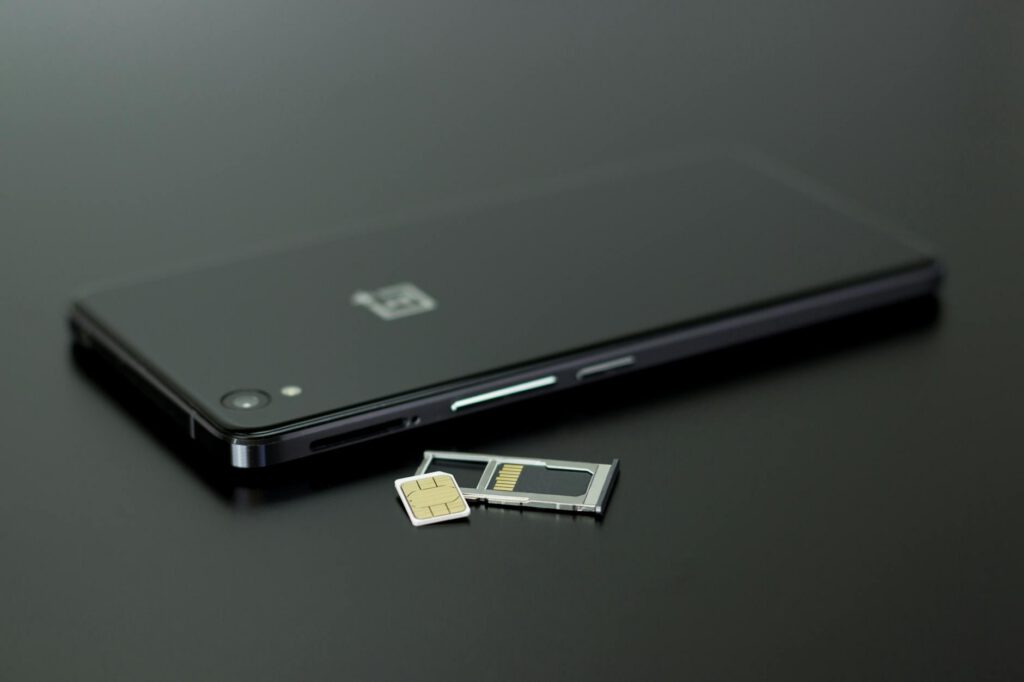
You need a South African SIM card within an hour of landing. Here’s what works: MTN is the cheapest option for prepaid data. Vodacom offers better coverage but costs more. Rain is a limited play for 5G speed freaks only. Telkom is a middle ground. We recommend MTN for most travellers, especially on a budget.
Best networks for visitors
MTN offers the best value. A prepaid SIM with 7.5 GB data and 200 voice minutes costs around R229 (about USD 12.50) and runs for a month. The network covers most of South Africa reliably, including Cape Town, and MTN kiosks are easy to find at airports and city centres.
Vodacom is the premium option. Tourist packages range from R499 (3 GB + 30 min + airtime) to R899 (10 GB + 100 min + airtime). Vodacom has strong coverage and excellent reliability in metro areas, but prepaid prices are nearly double MTN’s. However, some travellers value the confidence of a larger network.
Telkom sits between the two. Prepaid bundles range from R35 to R629 depending on data and validity. Coverage is solid in city centres but patchy in rural areas outside the major metros.
Rain is South Africa’s data-only 5G operator. There’s a catch: Rain doesn’t support voice calls or SMS—only data. It’s also harder to buy in tourist areas; you’ll mainly find it in Pargo stores. Rain’s 5G coverage is expanding in Cape Town and Johannesburg, but it remains spotty outside those metros. If you need calls or messages, skip Rain. If you’re a digital nomad who only needs fast data in the city, it could work.
Cell C also operates here but has smaller coverage and is less common for visitors.
Where to buy and RICA registration
All South African SIM cards must be registered under RICA (Regulation of Interception of Communications and Provision of Communication-Related Information Act 70 of 2002) before they’re activated. It sounds formal; it isn’t. The process takes 10-15 minutes.
At Cape Town Airport: Vodacom and MTN kiosks are on the right side of the arrivals hall. Opening hours are typically 6 am to 10 pm. You can walk straight off the plane and buy a SIM before customs.
At Johannesburg Airport: MTN, Vodacom, and Cell C have stores next to each other in the arrival hall, same hours.
In the city: All major shopping centres in the CBD and surrounding areas (Camps Bay, Sea Point, Constantia) have MTN or Vodacom stores. Prices are identical to airports—there’s no markup.
Online: You can buy eSIMs (digital SIMs that don’t need a physical card) from international providers like Airalo (10 GB for USD 26) or Holafly. This is useful if your phone supports eSIM and you want to avoid the airport queue entirely. However, traditional physical SIM cards can’t be reliably bought online in advance—local retailers want to verify ID at the point of sale.
What to bring for RICA registration
Foreigners need:
– A valid passport (this is your ID document)
– Proof of residence (a hotel booking confirmation, Airbnb reservation, or guest house address works)
– A selfie holding your passport (the RICA agent takes this as part of the verification process)
Processing: The agent scans your documents and takes a photo. RICA face-to-face verification is mandatory and usually completes within 24 hours, though most networks activate you immediately. The registration is free.
eSIM option
If your phone supports eSIM (most modern iPhones and Samsung Galaxy phones do), you can bypass the airport queue entirely. Vodacom and MTN now offer eSIMs locally, and international providers like Airalo, Ubigi, Holafly, and Nomad sell South African eSIMs online. Costs range from USD 4 to USD 39 depending on the data amount and provider.
The advantage: you can activate before you land. The disadvantage: you lose the local phone number that’s handy for taxis, restaurant bookings, and Uber. Weigh that trade-off yourself.
Rain’s coverage in Cape Town
Rain’s 5G network is expanding and has decent coverage in central Cape Town (CBD, Camps Bay, Sea Point, Constantia). Outside those areas, coverage drops significantly. If you’re staying in the southern suburbs or further afield in the Winelands, Rain becomes unreliable. Vodacom and MTN cover Cape Town metro much more comprehensively, including outer neighbourhoods.
Check Rain’s coverage map directly on their site before committing. Don’t assume it works where you’re staying.
Our recommendation
For most visitors: Buy MTN at the airport. It’s cheap, ubiquitous, and works everywhere in South Africa. Get a month-long data bundle and you’re done.
For digital nomads or long-stayers: Buy Vodacom if budget allows, or MTN if it doesn’t. Both work perfectly for remote work in Cape Town’s coffee shops and coworking spaces.
For eSIM users: Buy an international eSIM (Airalo, Ubigi, Nomad) online before you travel. Activate it mid-flight. This is the fastest path.
Never pick Rain unless you’re staying only in Cape Town’s CBD and you specifically need 5G speeds for video work.
Next step
Head to the MTN or Vodacom kiosk at your arriving airport with your passport and accommodation address. Budget 15 minutes and R229 (about USD 12). You’ll have a working number and data before you hit the taxi rank.
For a full rundown of digital tools and apps you’ll want on that phone once it’s set up, check our guide to essential apps in South Africa. And before you land, read our arrival guide for everything else you need to sort in your first 24 hours in Cape Town.
Tools we trust
Partners we use and recommend, tested in Cape Town.
We may earn a commission on purchases made through these links, at no extra cost to you. We only recommend products and services we actually use.