KIT REVIEW
Anker 737 PowerCore 24K Review: The Laptop Power Bank That Actually Delivers
BaseCPT Verdict
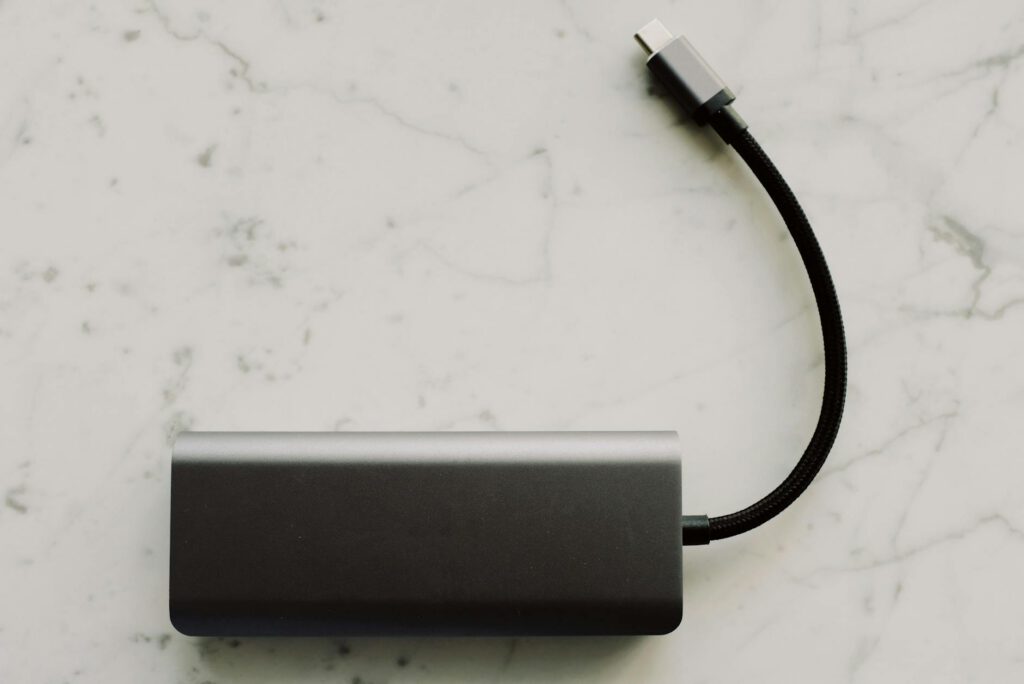
The Anker 737 PowerCore 24K is a 24,000mAh portable battery with 140W USB-C Power Delivery — enough to charge a MacBook Pro at full speed. It’s built for remote workers who need genuine laptop-grade power on the move, not just a phone top-up. If you work from cafes or deal with load shedding at home, this is the unit to measure everything else against.
Key Specs
- Capacity: 24,000mAh / 86.4Wh
- Max output: 140W USB-C PD 3.1
- Ports: 2x USB-C, 1x USB-A
- Weight: 630g
- Dimensions: 156 x 55 x 50mm
- Charging input: 140W USB-C (full recharge in ~58 minutes)
- Display: LED screen showing real-time wattage, remaining capacity, and time to empty
- Price: ~R3,800–R4,500 (imported via Loot.co.za or Amazon; not consistently stocked on Takealot)
What We Tested
Cape Town throws specific problems at remote workers that most power bank reviews never cover. We tested the Anker 737 across three scenarios over six weeks:
Load shedding at home (Stage 4, 2.5-hour slots). The primary test: plug in a MacBook Air M2, a fibre router via 12V step-up cable, and see what survives. The MacBook Air M2 draws roughly 30W under normal work loads — web browsing, Slack, a few tabs, maybe a Zoom call. The 737 kept the laptop running for approximately 2 hours 40 minutes from a full charge, with enough left to trickle-feed the router the entire time. That comfortably covers a standard Stage 2–4 slot. Stage 6 slots (4+ hours) will drain it before the lights come back.
Cafe work in Observatory and Woodstock. We carried the 737 in a backpack alongside a 14-inch MacBook Pro for a week. At 630g it’s not light, but it’s not unreasonable either — about the weight of a hardcover book. The real advantage at cafes is independence from the wall socket. Several spots in Obs have limited plug access, and the 737 gave us roughly 1.5 full charges of the MacBook Air M2 (or about 0.8 charges of a 14-inch MacBook Pro, which has a larger internal battery).
Recharge speed. Using the included 140W cable and a 140W GaN charger, the 737 went from 0 to 100% in just under an hour. That’s fast for a battery this size. When power comes back after load shedding, you can have it topped up before the next slot.
What’s Good
The 140W output is real. Many power banks advertise high wattage but throttle under sustained load. The 737 held steady at 90–100W when the MacBook Pro demanded it, dropping only when the battery dipped below 15%. This is useful — you can run a laptop at full performance, not the trickle-charge limbo that 45W or 65W banks force you into.
The display is excellent. The small LED screen shows watts in, watts out, remaining percentage, and estimated time to depletion. During load shedding, glancing at the display and seeing “1h 47m remaining” is far more useful than four blinking LEDs.
Build quality is solid. The aluminium shell feels dense and well-constructed. After six weeks of daily backpack duty — including a few drops onto cafe floors — no cosmetic damage beyond minor scuffs.
Pass-through charging works. You can charge the 737 and power your devices simultaneously. During the brief windows between load shedding slots, this means you don’t have to choose between charging your laptop or charging the bank.
What’s Not
It’s not available on Takealot. As of early 2026, you’ll need to import it or buy from specialist local retailers like Loot.co.za, WantItAll, or order directly from Amazon. That means potential customs delays and no easy local returns. For a R4,000+ purchase, that’s a real consideration.
630g adds up in a bag. Combined with a laptop, charger, and the rest of your daily carry, you’ll notice the extra weight. The Baseus Blade at 450g does 65W output for lighter-duty needs. If you only need phone and tablet charging, the 737 is overkill.
It won’t survive a full Stage 6 slot under heavy load. At 86.4Wh, you’ll get roughly 2.5–3 hours of laptop use. For the 4-hour-plus outages during heavy load shedding stages, you’d need a proper power station like the Jackery Explorer 300 Plus (288Wh) or an inverter setup. The 737 is a bridge, not a bunker.
The 140W charger isn’t included. Anker sells the power bank on its own. To get that 58-minute recharge time, you’ll need a separate 140W GaN charger (add another R800–R1,200). With a standard 65W charger, recharge time roughly doubles.
South African plug compatibility. You’ll need a Type M to USB-C charging setup. This isn’t an issue specific to the 737, but if you’re new to South Africa, budget for a good multi-plug or adapter.
The Verdict
Buy it if: You work from a laptop daily, face regular load shedding, and need something portable enough for cafe-hopping. The 140W output makes this the only mainstream power bank that can keep a MacBook Pro running without throttling. It’s the right choice for digital nomads who’ve settled into Cape Town for a few months and need reliable backup power without committing to a full power station.
Skip it if: You primarily need phone charging (the Romoss Sense 8P+ at a quarter of the price handles that), you want local Takealot availability with easy returns, or you face extended Stage 6 load shedding where 86.4Wh simply isn’t enough. In the last case, look at the Jackery Explorer 300 Plus instead.
Quick Reference
| Price | ~R3,800–R4,500 (imported) |
| Where to buy | Loot.co.za, WantItAll, Amazon (not reliably on Takealot) |
| Best for | Laptop workers needing full-speed charging on the go |
| Skip if | You only charge phones, or need 4+ hours of backup |
| Rating | 4.3 / 5 |