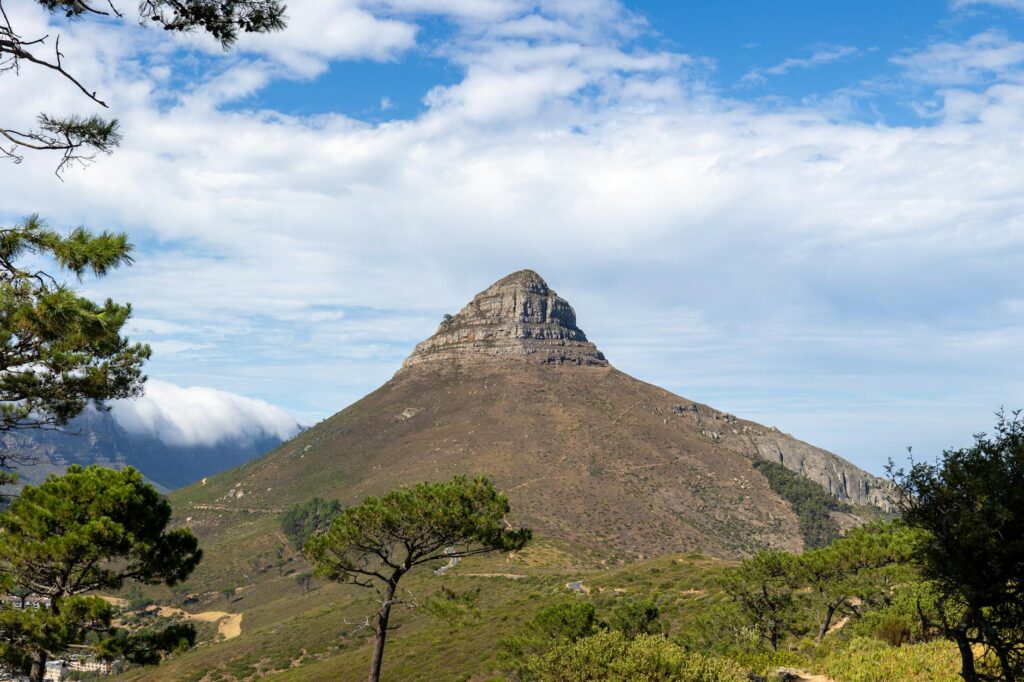
Cape Town has more miles of legitimate hiking trail than any comparable city in the world. The Table Mountain National Park wraps the entire Cape Peninsula and gives you around 250 km of managed trail, from beginner-friendly forest walks to multi-day wilderness traverses. Most visiting nomads hike exactly one route: Lion’s Head at sunset or sunrise. Lion’s Head is worth it, but there are seven other hikes that are better, longer, wilder, and still within a 30-minute drive of your Sea Point accommodation.
This is the shortlist.
The hike safety rule
Go in a group, take a map, take water, and tell someone when you will be back.
Cape Town mountain rescue does 100+ rescues a year, and the vast majority are preventable: dehydration, getting lost after the route disappears, pushing on in bad weather, solo hiking on remote routes. The rules that prevent almost all of it: two people minimum, offline maps on your phone, 2 to 3 litres of water per person, a rain jacket in winter, let someone know your plan and ETA.
The shortlist
1. Lion’s Head (the classic, for completeness) — beginner
Since everyone starts here anyway. 4 km return, 350 m elevation, 1.5 to 2 hours round trip. Sunrise or sunset are the two popular times. Chain sections near the top for the final scramble. Covered in our Lion’s Head sunrise hike guide.
Difficulty: easy Best time: clear-weather sunrise or sunset The trap: overcrowding. Go midweek or very early morning in summer.
2. Platteklip Gorge (the direct Table Mountain ascent) — intermediate
The most direct route up Table Mountain proper. 6 km return, 700 m elevation, 3 to 5 hours round trip. Pure staircase up a gully in the cliff face — no scrambling, just relentless steps. Start at the Lower Cableway Station, climb to the summit, take the cable car down (R290 one-way) or walk back down the same way.
Difficulty: intermediate Best time: early morning for shade in summer, midday in winter The trap: the heat. On a windless summer day the gorge traps heat. Start before 07:00.
3. Skeleton Gorge (Kirstenbosch to Table Mountain) — intermediate
The most beautiful Table Mountain ascent. Starts inside Kirstenbosch Botanical Gardens and climbs through an indigenous forest ravine to the summit plateau. 8 to 10 km round trip, 700 m elevation, 4 to 6 hours. Pay the Kirstenbosch entry fee on the way in.
Difficulty: intermediate Best time: spring (September to November) for the wild flowers The trap: the top has multiple trails and losing the path is easy. Offline map essential.
4. Kasteelspoort (the Pipe Track approach to Table Mountain) — intermediate
A steep but rewarding ascent from the Twelve Apostles side of the mountain, climbing up to the plateau via a historic bridle path. 8 km round trip, 600 m elevation, 4 to 5 hours. Starts from the Kasteelspoort parking off Camps Bay Drive. The summit plateau here is the wilderness side of Table Mountain — dramatic and empty.
Difficulty: intermediate Best time: spring and autumn The trap: the upper plateau wind can be brutal. Check the forecast.
5. Devil’s Peak summit — advanced
The other mountain. Devil’s Peak is the 1000m rocky peak to the east of Table Mountain, connected to it by Knife-Edge Ridge. Full summit hike is 12 km round trip, 900 m elevation, 5 to 7 hours. More exposed than Table Mountain, steeper finish, and with no cable car escape option. This is a serious hike that earns serious bragging rights.
Difficulty: advanced Best time: cool clear autumn or spring day The trap: exposure. The upper section is rocky and windy. Do not do this in bad weather.
6. Silvermine to Elephant’s Eye — beginner-intermediate
A different mountain. Silvermine Nature Reserve (part of the Table Mountain National Park) has a beautiful easy-to-intermediate loop to a cave known as Elephant’s Eye with views over the Southern Suburbs. 6 km round trip, 300 m elevation, 2 to 3 hours. Entry fee at the reserve gate (R90 to R230 depending on status). Our full Silvermine Nature Reserve guide has the details.
Difficulty: beginner to intermediate Best time: any clear day The trap: the reserve closes at 18:00 sharp. Leave early enough to finish.
7. Cape Point loop (to the lighthouses) — beginner-intermediate
The day-out hike. A loop from the Cape Point parking area along the clifftop to the Old Lighthouse and then down to the Cape Point itself via a network of boardwalks and stairs. 4 to 8 km round trip depending on the route chosen, 200 m elevation, 2 to 3 hours. Part of the Cape Point Nature Reserve (entry R370 per international adult). Covered in our Cape Point peninsula day trip guide.
Difficulty: beginner Best time: clear-weather days for the views The trap: the wind. Cape Point is exposed and famously windy. Bring a jacket.
8. Chapman’s Peak to Noordhoek traverse — advanced
A wilder route for experienced hikers. A traverse from Chapman’s Peak Drive across the Constantiaberg ridge to Noordhoek. 14 to 18 km one-way depending on the exact start/finish, 700 m elevation, 6 to 8 hours. Usually done with a car shuttle arranged at both ends. Remote terrain, no cell coverage in sections, and not to be attempted without proper mountain experience.
Difficulty: advanced Best time: clear cool autumn day The trap: navigation. Multiple side-paths, not all signposted. Offline map essential.
Guided options
Not every nomad wants to hike solo or even in an unorganised pair. Several companies run guided day hikes from Cape Town:
- Hike Table Mountain Guided Hikes — Platteklip, Skeleton Gorge, India Venster. R600 to R1200 per person with a registered mountain guide.
- Cape Xtreme Adventures — day hikes plus kloofing (canyon scrambling) options.
- Table Mountain Walks — smaller-group guided experiences with historical narrative.
A guided hike adds R600 to R1500 to the cost but removes the navigation and safety work. Worth it for your first serious hike in Cape Town, or if you are a solo hiker without a confident partner.
What to pack for a half-day hike
- Water: 1.5 to 2 L per person
- Snacks: a sandwich, a bar, some fruit
- Sunscreen and a cap
- A light windproof jacket (the weather changes fast at altitude)
- Phone with offline maps (download Maps.me or the Komoot SA map pack)
- A small first-aid kit: blisters, scrapes, basic painkillers
- Cash for parking attendants at the trailhead
The weather reality
Table Mountain weather can change in 20 minutes. A clear morning can turn into a “tablecloth” of cloud over the summit by early afternoon. Our rules:
- Always check the morning weather on a reliable forecast like WindGuru or Windy.com
- Start early (07:00 to 09:00) to catch the best weather window
- Turn back if the weather deteriorates. Summitting is optional. Getting home is mandatory.
- Do not hike during or just after heavy rain. Trails are slippery and rock falls are possible.
What it all costs
- A self-guided Lion’s Head or Silvermine morning: R100 to R200 (parking + snacks + water)
- Kirstenbosch + Skeleton Gorge day: R250 to R350 (entry + lunch + water)
- Guided Platteklip Gorge with professional: R600 to R1200 per person
- Cape Point reserve entry + day out: R370 (international adult) + R150 to R300 in-reserve food
The verdict
Hike Lion’s Head once for the sunset photo. Hike Silvermine / Elephant’s Eye for an easy morning. Hike Skeleton Gorge or Platteklip for your first serious Table Mountain summit. Hike Kasteelspoort for the wilderness side. Add Devil’s Peak if you want a genuine mountain day. Do not do Cape Point as a hike unless the weather is clear. Bring water, bring a partner, bring the forecast, and Cape Town will give you some of the best urban-proximate hiking anywhere.
—
Keep reading
- Table Mountain hiking guide
- Lion’s Head sunrise hike
- Silvermine Nature Reserve guide
- Cape Point and peninsula day trip
- The BaseCPT Nomad Hotlist 2026
Tools we trust
Partners we use and recommend, tested in Cape Town.
We may earn a commission on purchases made through these links, at no extra cost to you. We only recommend products and services we actually use.