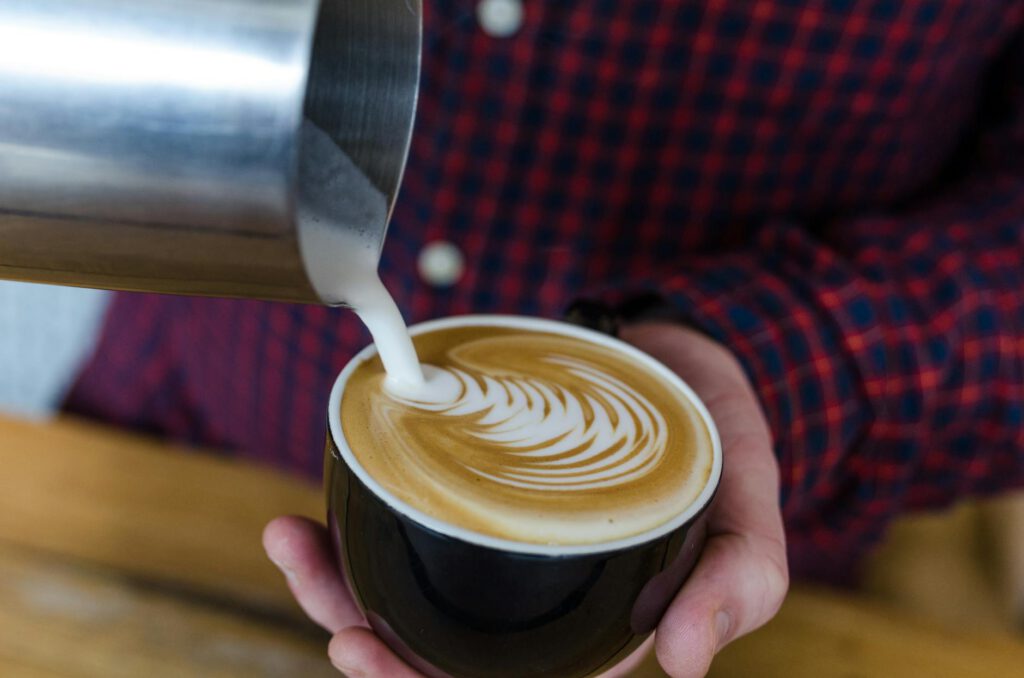
In 2024, Cape Town made it onto the world’s 10 best cities for coffee — placing it alongside Melbourne, Seattle, and Copenhagen as a serious contender in global specialty coffee rankings. For a city of just over 4 million people on the edge of the Atlantic, that’s a telling achievement. What’s more telling: Cape Town’s entire specialty coffee movement has roots you can trace back to one person, in one roastery, in 2005.
This is not a story about coffee being trendy in Cape Town. It’s about how a single roastery sparked a 20-year movement that now includes dozens of serious micro-roasters, a thriving barista academy, micro-roasting equipment sold internationally, and cafés that compete with the world’s best on cup quality alone. If you’re here for the coffee, not just the vibes, here’s where to find what you’re actually after.
The roasters who started it all
Origin Coffee Roasting didn’t invent specialty coffee in South Africa, but Joel Singer’s 2005 founding of Origin on Hudson Street came close. Origin is the godfather of South Africa’s specialty coffee industry — they set up the Barista Academy that trained the first wave of local baristas, sourced beans nobody else knew how to work with, and proved that Cape Town could compete on a global stage. You’ll still find them on Hudson Street in De Waterkant: small, focused, unshowy.
What sets Origin apart isn’t just history. It’s their commitment to single-origin beans roasted specifically for how you’ll drink them. They’ll tell you which coffees work best as espresso and which want a filter. This is not guess-work. This is sourcing clarity.
Rosetta Roastery took that foundation and built something that wins awards. Their flagship café sits on Bree Street in the heart of Cape Town’s creative quarter, and it’s been crowned “Best Roastery in South Africa” three times. The Financial Times listed them among the world’s top specialty coffee shops. What you taste there is what a small-batch roastery looks like when precision becomes obsession. They roast single-origin beans, offer a filter brew bar where you can watch the technique, and their pastries (done in-house) justify the visit alone. Bree Street is also where you’ll sit outside and understand why this city’s coffee movement took root — it’s not isolated; it’s part of a broader food and design culture.
Rosetta has also opened a second location in the Silo District, if you’re heading that way.
Espresso Lab sits at The Old Biscuit Mill in Woodstock and represents a different aesthetic: science applied to coffee. Founded in 2009, Espresso Lab ranks #11 on the Top 100 Best Coffee Shops in the world. Their approach is traceable-farm obsession — you know exactly where your coffee comes from, the cooperative, the altitude, the harvest. Their roasting is Scandinavian-light style, which means clarity. The café itself is all high ceilings, natural light, and design that doesn’t apologize. There’s also a bakery café in De Waterkant if you want something more polished and neighborhood-paced.
Cedar Coffee Roasters launched in 2021 when Winston, a former Origin team member, decided to launch independently. They occupy a smaller footprint in the market but bring serious credentials and the kind of coffee knowledge that only comes from years inside another roastery.
Truth Coffee (Buitenkant Street) is probably the most internationally visible Cape Town roaster. Their warehouse café has a steampunk-meets-industrial aesthetic that photographs well and doesn’t come across as gimmick — the space actually tells a story about Cape Town’s manufacturing heritage. What matters more: their single-origin bean selection is exceptional, and they’ll match beans to your brewing style. In 2023, Truth merged wholesale operations with Origin and Tribe Coffee, meaning better supply consistency across all three houses, though each still operates its own café.
Where to drink (and what to expect)
Pauline’s is the exception in this list — it’s not a roastery. It’s a café that sources from top roasters, famous for cinnamon buns that justify the visit on their own, and staffed by people who actually care how your coffee tastes. They’ve expanded from their original spot to a Green Point location in a converted convent gatehouse (with courtyard) and another at Longkloof Studios. These are places where you come for the experience, not to watch the roastery operation.
For serious coffee appreciation, pick Origin, Rosetta, or Espresso Lab. All three prioritize the bean over the vibe. You’ll sit with people taking notes on their coffees. This is not wasted intensity — these cafés attract the people who understand why a 20-degree roast adjustment changes everything about a cup.
For working, this is worth a separate note: Rosetta and Espresso Lab have good wifi and seating, but they’re genuinely busier, and the atmosphere defaults to coffee-focused conversation. If you need 6 uninterrupted hours, they’re not ideal. Pauline’s is more generous with time and space. (BaseCPT has a full guide to working cafés if that’s what you’re after.)
What you’ll pay
A flat white in Cape Town runs between R40 and R50 depending on the roastery. A filter (pour-over or similar) is typically in the same range. A double espresso is R30–R40. A cappuccino sits between R40 and R50. These prices reflect the quality tier: if you’re paying R50 for a flat white at Rosetta, you’re paying for the beans, the skill, and the sourcing consistency. It’s not premium pricing for aesthetic; it’s premium pricing for product.
Tipping is standard: 10% is the expectation, though 12–15% is increasingly common. If you’re just grabbing an espresso, R2–R5 is normal. Tip on your card by adding it to the transaction before you pay.
One more thing: the local angle
South Africa grows coffee in Magoebaskloof in Limpopo Province, a high-altitude region that produces beans serious roasters actually use. Singing Beans, a roaster based there, produces a Magoebaskloof Blend that’s won Gold awards at the Aurora International Taste Challenge. It’s not competing with Ethiopian or Colombian single-origins, but it’s worth trying if you stumble across it — it tells a story about South African coffee that doesn’t require an import container.
Where to start
If you’re visiting and want to understand Cape Town’s specialty coffee scene in one afternoon: start at Rosetta on Bree Street (the roastery design alone is worth seeing), get a filter coffee and sit for 20 minutes, then walk to Truth Coffee on Buitenkant to see the other aesthetic — warehouse-industrial instead of minimalist-clean. If you have time for a third, Espresso Lab in Woodstock will show you the science-first approach. You’ll taste the difference between them. That’s the point.
If you’re local and want to dive deeper: spend two weeks rotating through these five roasteries and note which roast style you actually prefer. Most coffee culture assumes you’ll develop fixed preferences. You might. Or you might discover that a particular roastery’s approach to bean sourcing aligns better with what you taste.
Either way: Cape Town’s specialty coffee scene is not hype. It’s 20 years of continuous refinement by people who could have opened generic cafés and chose not to.
Tools we trust
Partners we use and recommend, tested in Cape Town.
We may earn a commission on purchases made through these links, at no extra cost to you. We only recommend products and services we actually use.